
Client Story
Ballinger ISD
Two projects between 2023 and 2024, including a retrofit of 3,096 interior and exterior lighting fixtures.
$2,588,523
Total contract
3,096
Lighting fixtures retrofitted
TIPS
Purchasing co-op
2024
Completed
The Project
Ballinger ISD completed multiple E3 projects between 2023 and 2024, including a primary district project and an E3L project.
Ballinger ISD completed a facility improvement project that began on May 10, 2023 and was completed on August 27, 2024.
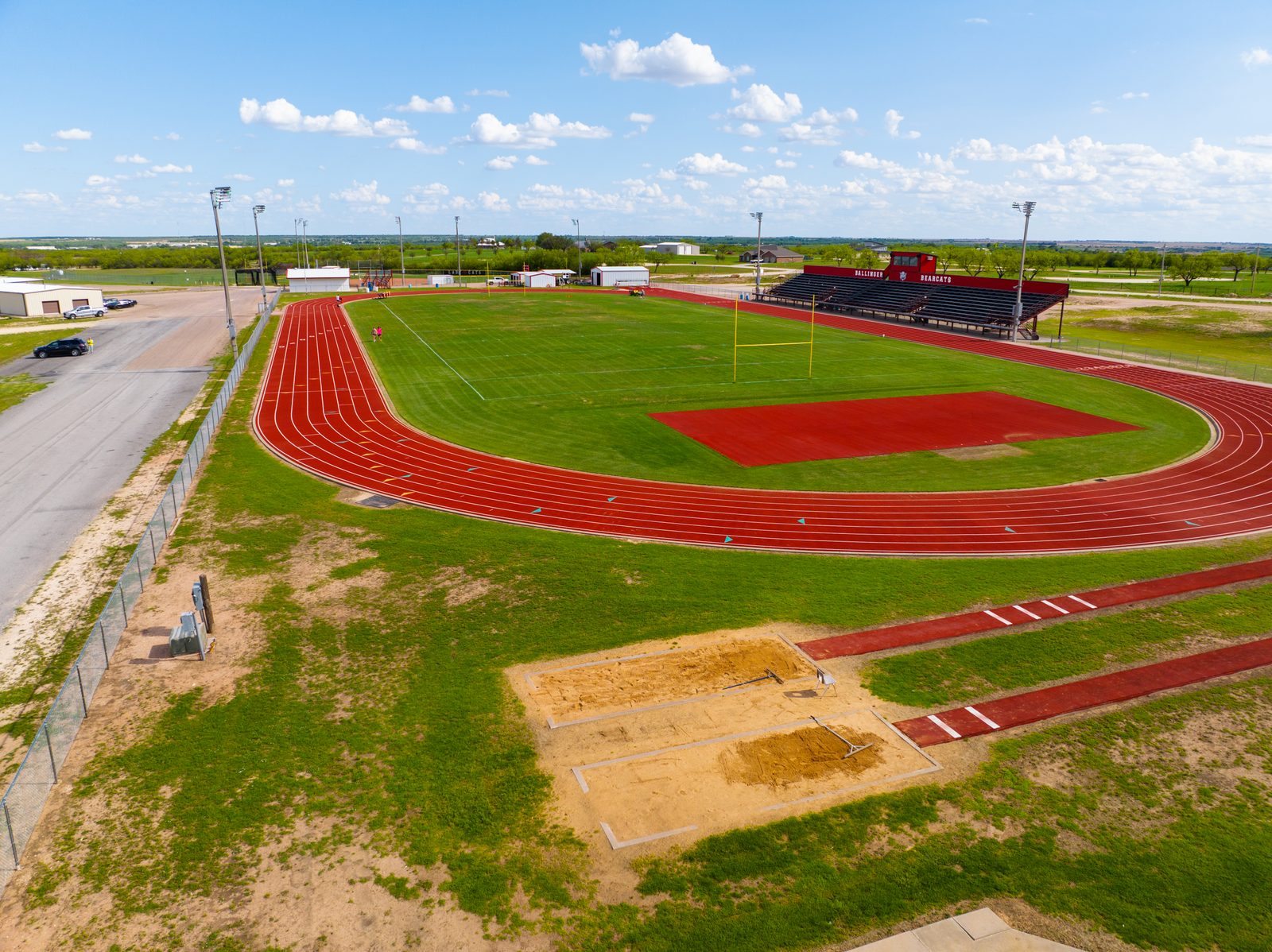
Ballinger ISD, a prominent K-12 Schools institution located in the West Texas region, partnered with E3 Entegral Solutions (E3) to design and execute a comprehensive infrastructure modernization and energy conservation program. This project was developed to target high operating costs, resolve deferred maintenance challenges, and enhance indoor environments for students, staff, and visitors.
To minimize capital pressure on the local community, the program was strategically funded using a combination of District Fund Balance and Operational Savings. By choosing the Performance Contract model, Ballinger ISD secured long-term mechanical reliability and guaranteed operational efficiency. The project demonstrates a commitment to sustainable stewardship, providing high-performance facilities that improve occupant comfort while lowering taxpayer-supported utility expenditures.
Frequently Asked Questions
What is a District Fund Balance and how does it work for capital improvements?
A District Fund Balance is the accumulated surplus of revenues over expenditures that a school district maintains as a financial reserve. Texas school districts can strategically deploy fund balance dollars to finance facility improvements without issuing bonds or raising taxes. Because the energy savings from efficiency upgrades often replenish the fund balance over time, this approach allows districts to modernize infrastructure while maintaining fiscal responsibility.
How does an Energy Savings Performance Contract (ESPC) guarantee savings?
Under an ESPC, the energy services company (ESCO) conducts an investment-grade audit to calculate projected energy savings with engineering precision. The ESCO then contractually guarantees those savings — if actual utility reductions fall short of the guarantee in any measurement year, the ESCO pays the difference. This risk-transfer model means the school district is financially protected while receiving modernized infrastructure.
What is deferred maintenance and why is it a growing crisis for public schools?
Deferred maintenance refers to the practice of postponing facility repairs and equipment replacements due to budget constraints. Over time, this creates a compounding backlog — aging HVAC units consume more energy, leak refrigerant, and provide inconsistent temperatures, while deteriorating roofs and plumbing cause water damage and mold. The American Society of Civil Engineers estimates that U.S. public schools face a collective deferred maintenance backlog exceeding $85 billion. Addressing deferred maintenance through structured energy programs prevents small problems from becoming catastrophic failures.
How does Needlepoint Bi-Polar Ionization (NPBI) compare to traditional air filtration in schools?
Traditional HVAC filtration passively captures particles as air passes through a filter. NPBI actively sends ions into the occupied space to neutralize pathogens and agglomerate ultrafine particles before they reach the filter. This dual-action approach provides a measurable improvement in indoor air quality (IAQ), particularly against airborne viruses, bacteria, and volatile organic compounds (VOCs) that standard filters alone cannot effectively address.
How much energy can a Building Automation System (BAS) save a school district annually?
Industry data from the U.S. Department of Energy shows that BAS-equipped buildings typically reduce HVAC energy consumption by 10-30%. For a school district, this translates into tens of thousands of dollars in annual utility savings by automatically scheduling setbacks during nights, weekends, and holidays, and by identifying equipment faults before they become costly failures.
How long do LED fixtures last compared to fluorescent lighting in schools?
LED fixtures typically last 50,000 to 100,000 hours, compared to 20,000-30,000 hours for T8 fluorescent tubes and as few as 6,000-15,000 hours for metal halide lamps. This means LED retrofits can eliminate multiple lamp replacement cycles over a 15-20 year period, dramatically reducing maintenance labor costs in addition to the 60-80% energy savings on the electrical bill.
How does a cool roof (TPO) reduce a school’s energy bills?
A TPO cool roof can reflect up to 80-90% of solar radiation that a dark roof would absorb as heat. According to the U.S. Department of Energy, cool roofs can reduce roof surface temperatures by up to 50-60°F on a hot day, which directly lowers the cooling load on HVAC systems. For a typical Texas school building, this can translate to a 10-15% reduction in annual cooling energy costs.
Project Facts
- Scope: Retrofitted 3,096 interior and exterior lighting fixtures…
- Contract value: $1,278,427
- Contract type: Performance Contract
- Year: Completed 2023
- Contract amount: $2,588,523
- Location: Ballinger, West Texas
- Project years: 2023, 2024
Ballinger ISD Project Photos
/Ballinger ISD - before-0225.jpg_52916688607.jpg)
/Ballinger ISD - before-0230.jpg_52917272706.jpg)
/Ballinger ISD - before-0347.jpg_52917661355.jpg)
/Ballinger ISD - before-0350.jpg_52916691317.jpg)
/Ballinger ISD - before-0352.jpg_52917426499.jpg)
/Ballinger ISD - before-0361.jpg_52917734113.jpg)
/Ballinger ISD - before-0366.jpg_52917736263.jpg)
/Ballinger ISD - before-0369.jpg_52917736613.jpg)
/Ballinger ISD - before-0370.jpg_52917739453.jpg)
/Ballinger ISD - before-0372.jpg_52917283101.jpg)
/Ballinger ISD - before-0379.jpg_52917670045.jpg)
/Ballinger ISD - before-0381.jpg_52917670360.jpg)
/Ballinger ISD - before-0388.jpg_52917670810.jpg)
/Ballinger ISD - before-0392.jpg_52916701137.jpg)
/Ballinger ISD - before-06661.jpg_52917707133.jpg)
/Ballinger ISD - before-06664.jpg_52917402469.jpg)
/Ballinger ISD - before-06665.jpg_52917252821.jpg)
/Ballinger ISD - before-06668.jpg_52917262376.jpg)
/Ballinger ISD - before-06673.jpg_52917651000.jpg)
/Ballinger ISD - before-06675.jpg_52917653625.jpg)
/Ballinger ISD - before-06680.jpg_52917419329.jpg)
/Ballinger ISD - before-06682.jpg_52917270476.jpg)
/Ballinger ISD - before-06737-HDR.jpg_52917732973.jpg)
/Ballinger ISD - before-06742-HDR.jpg_52917734818.jpg)
/Ballinger ISD - before-06752-HDR.jpg_52917737178.jpg)


More West Texas Stories
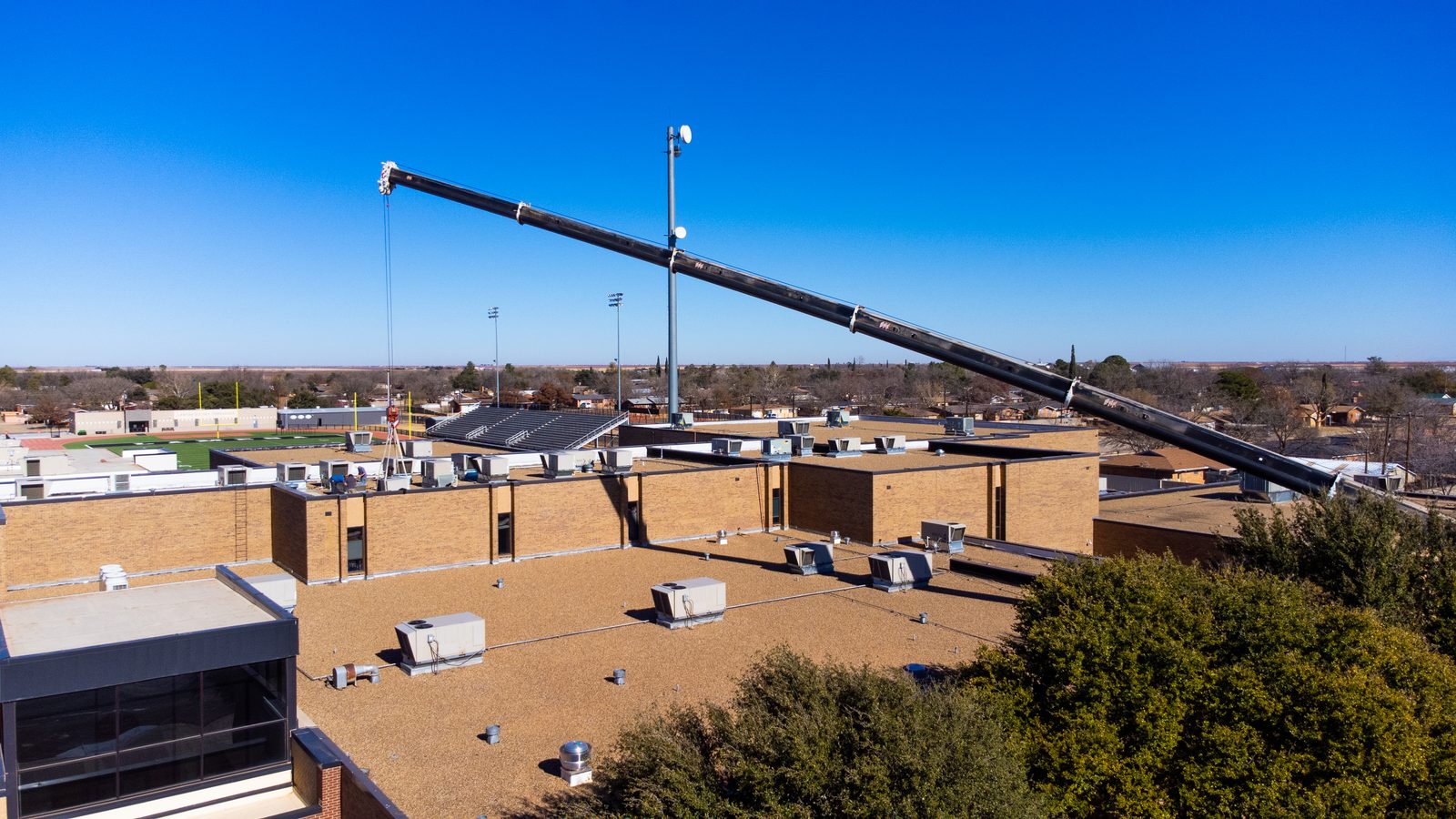
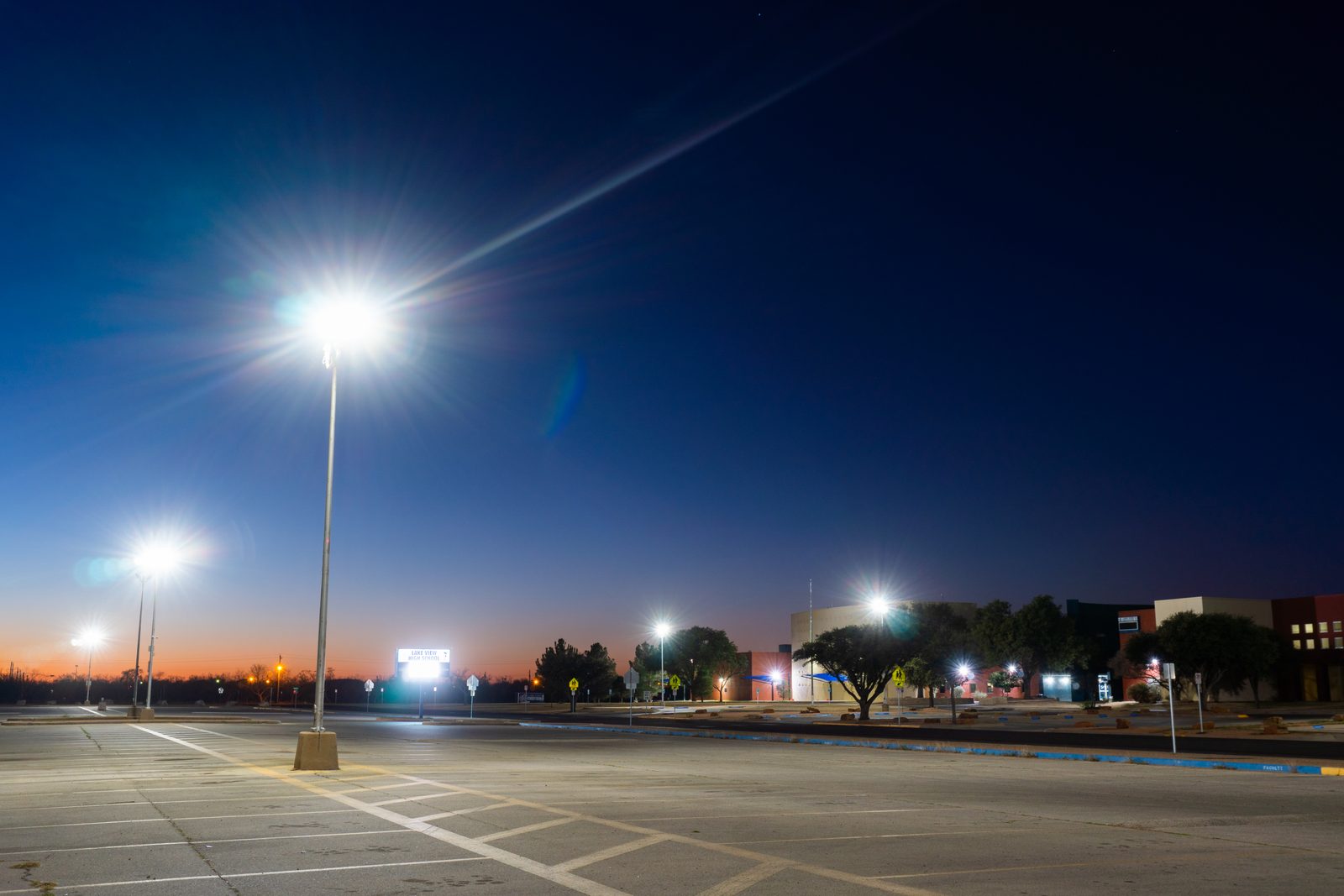
San Angelo ISD
Design-build energy efficiency improvements and facility upgrades completed in 2020.
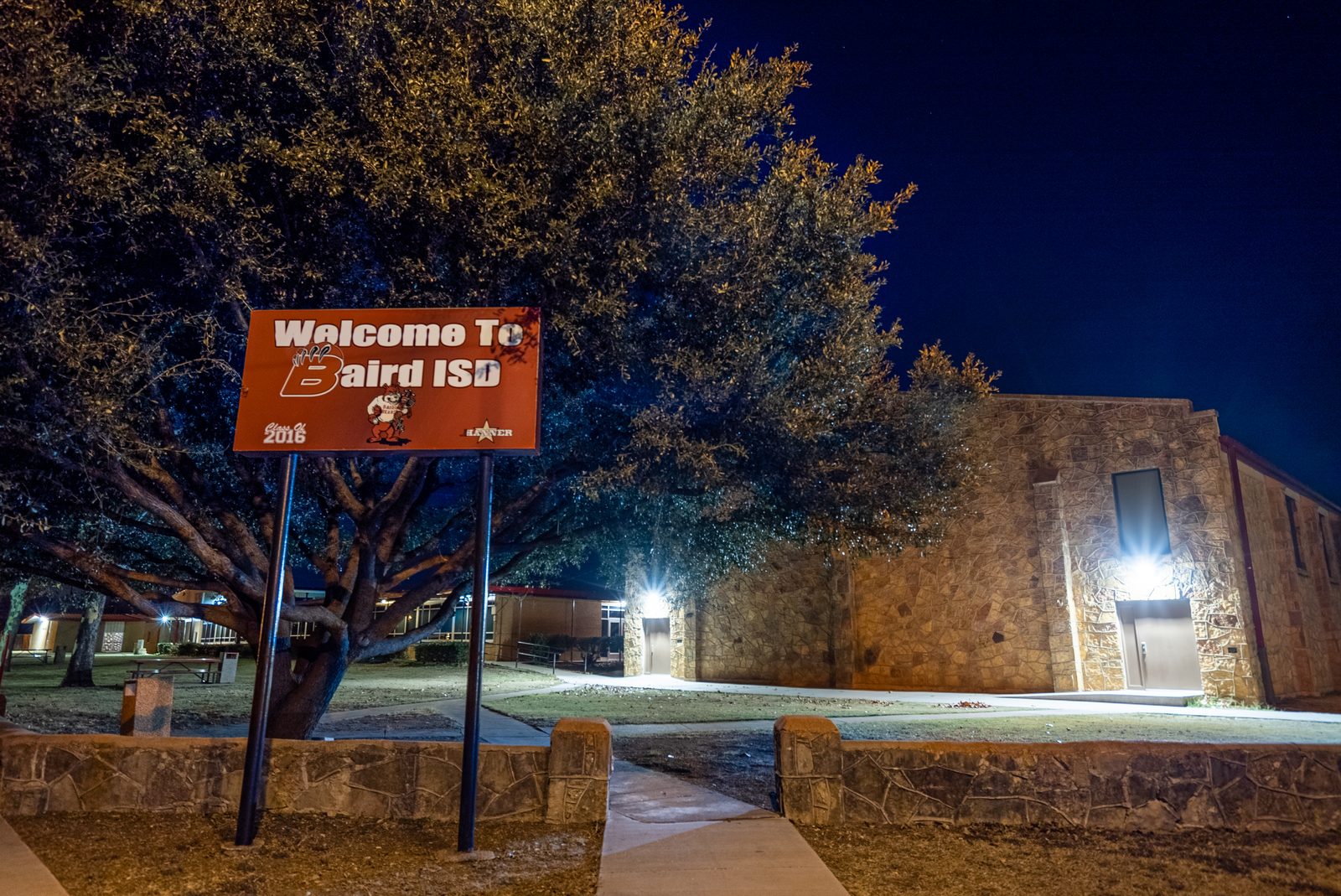
Baird ISD
Energy efficiency improvements and facility upgrades completed in 2021.

Let’s Talk About Your Campus.
Every district’s buildings are different. Tell us what is happening in yours, and we will help you find the best path forward.